

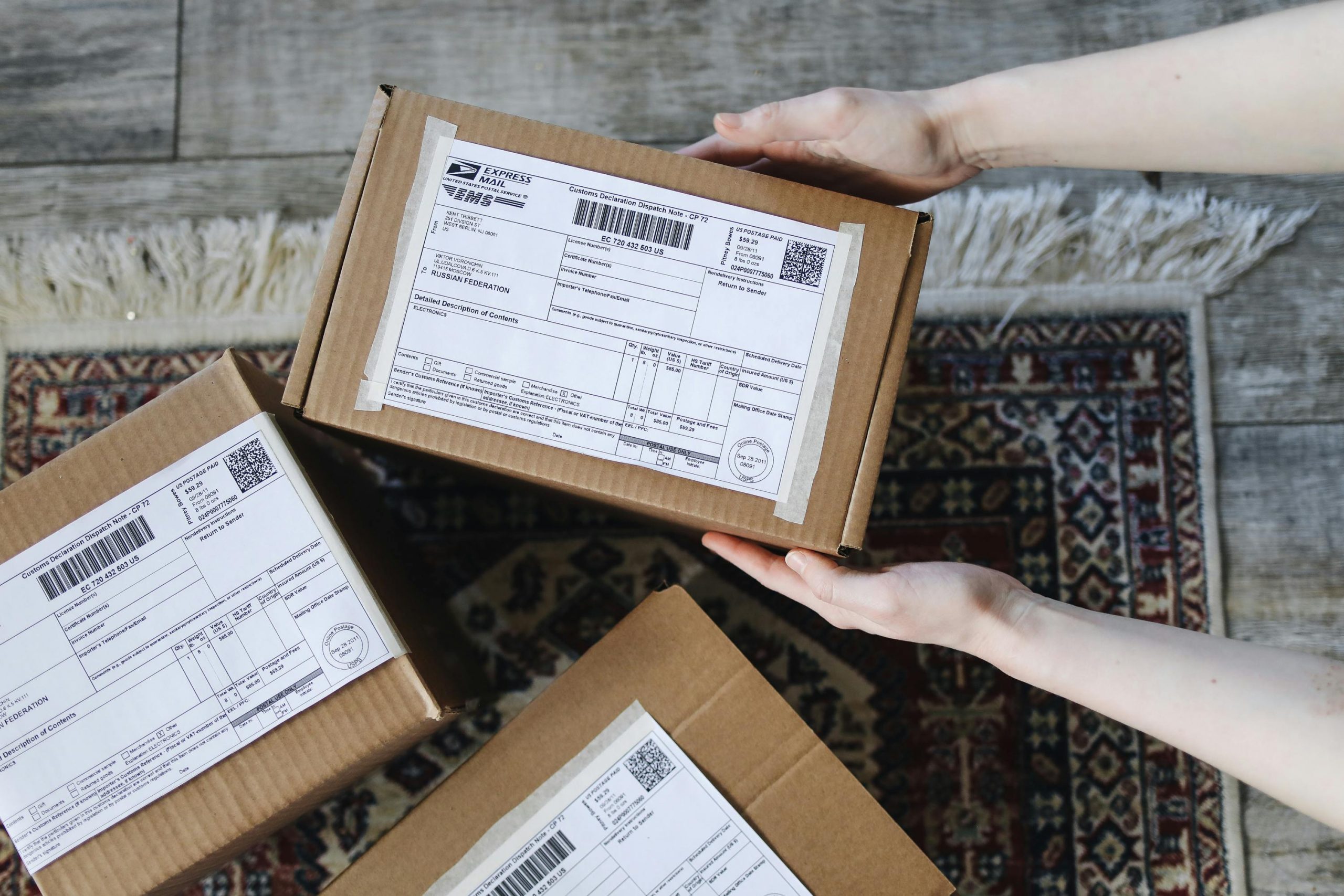
How to wrap ceramics securely for postage: a step-by-step guide
Sending handmade ceramics by post can be stressful – one bump in transit and months of work can be ruined. So, if you’re planning to send your work through the post, his simple guide walks you through wrapping and packing ceramic pieces so they arrive intact.
What you’ll need
- Bubble wrap (two thicknesses if possible: standard and heavy-duty).
- Corrugated cardboard (sheets or small boxes).
- Sturdy shipping box (outer box) and a smaller box if you want double-boxing.
- Packing paper or newsprint (acid-free for valuable pieces if available).
- Packing peanuts or crumpled paper (avoid loose plastic shredded fillers for fragile pieces).
- Strong packing tape.
- Scissors and a marker.
- Optional: foam sheets, corner protectors, zip ties or elastic bands for lids.
Step 1: Inspect and prepare the piece
Clean and dry the ceramic completely. Note any loose parts (lids, detachable handles) and pack those separately inside the same parcel. Take a quick photo of the item before packing – this is useful for your own records and for claims in case the piece is damaged.
Pro tip: If the piece is delicate, wrap it in acid-free tissue first to avoid scratches.
Step 2: Create an inner protective layer
Lay out 2–3 layers of bubble wrap or foam. Place the ceramic piece in the center. Wrap it snugly so every surface is covered; small pieces need less wrap than large, heavy ones, but the key is avoiding any direct contact with the box.
Secure the bubble wrap with a small piece of tape but don’t tape directly to the ceramic. For oddly shaped pieces (pitchers or figurines), add extra padding around any protrusions like spouts or handles. Use a second layer of wrap at a 90° angle to the first to create a cross-protected cushion.
Step 3: Protect lids and parts separately
If your piece has a removable lid or delicate attachments, wrap these separately with bubble wrap and place them next to the main item inside the box. Cushion between the lid and the main piece using foam or folded paper to prevent contact and abrasion.
Pro tip: For pieces with internal hollows like vases, stuff the inside with crumpled paper or soft tissue for added protection.
Step 4: Build a sturdy base inside the box
Line the bottom of the shipping box with at least 2–3 inches (5–8 cm) of padding such as packing peanuts, crumpled paper, or foam. This absorbs shocks if the box is dropped. If the ceramic is heavy, use a thicker base.
Place a layer of corrugated cardboard under the padding to spread weight evenly, especially for multiple items in one box.
Step 5: Place the wrapped item on the base and create void fill
Gently place the wrapped ceramic in the center of the box. Fill all gaps around it so the item cannot move. Movement is the number one cause of breakage. Use crumpled paper, foam, or packing peanuts to fill voids, and pack until the item is immobilized.
If you have multiple small items, individually wrap each and create internal dividers using cardboard to prevent them knocking together.
Pro tip: Use a second smaller box (double-boxing). Place the wrapped item in the inner box, add padding, tape it shut, then place that box inside a larger box with additional padding. This adds an extra layer of protection for special pieces.
Step 6: Seal and reinforce the box
Close the box and run strong packing tape along all seams, both bottom and top, using the “H-tape” method: one strip down the center and two along the edges where the flaps meet. Reinforce the corners with extra tape. Label the box with “FRAGILE – Handle with Care” and mark the top to indicate orientation.
Pro tip: Write the recipient’s address on a label and place a duplicate inside the box in case the outer label is damaged.
Step 7: Test and add extra packing if needed
Once your packaging is sealed, give the box a gentle shake. You should feel no movement. If you do, open and add more padding.
Step 8: Insure and document
For sales or gallery pieces, consider shipping insurance. Keep your pre-shipment photos and note the box weight and dimensions, as many couriers require this information for claims. Use tracking so you can monitor delivery.
Extra tips
- Use recycled packing materials where possible: shredded paper, old fabric, or newspapers (avoid inks on very delicate glazes).
- For very long or narrow pieces (tall vases), ship upright if possible, with extra internal bracing.
- Keep a note of postage using weight + box dimensions – this will help you budget for larger projects and exhibition submissions.
- Add a photo of the piece on the outside of the box – if you’re sending multiple packages this helps you make sure the right piece is going to the right person.
Wrapping ceramics securely is about two things: immobilizing the item and absorbing shocks. With careful wrapping, adequate padding, and a sturdy box, your handmade creations will travel safely.